A long awaited trip that pushed me to think deeply on my existence and the one who sustains me – the Earth.
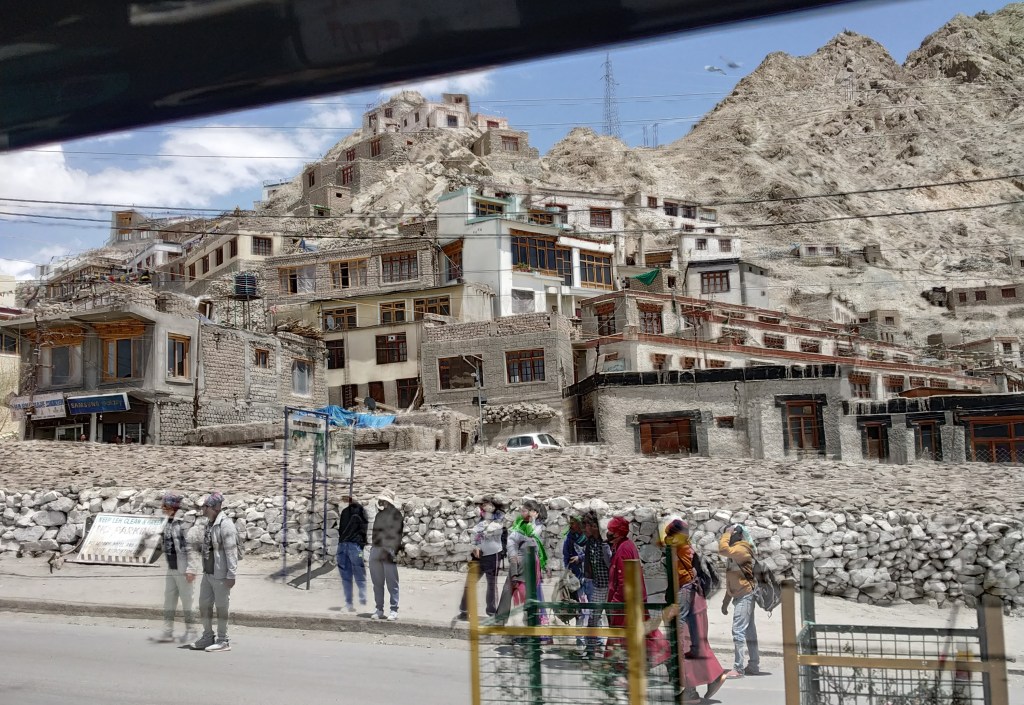
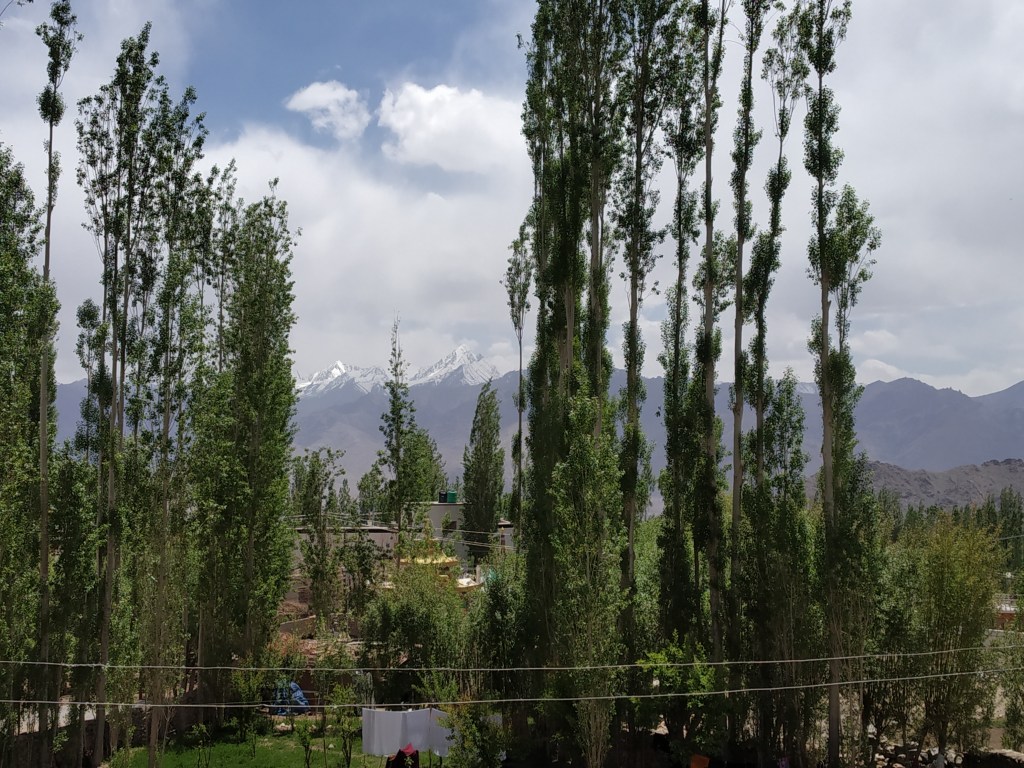
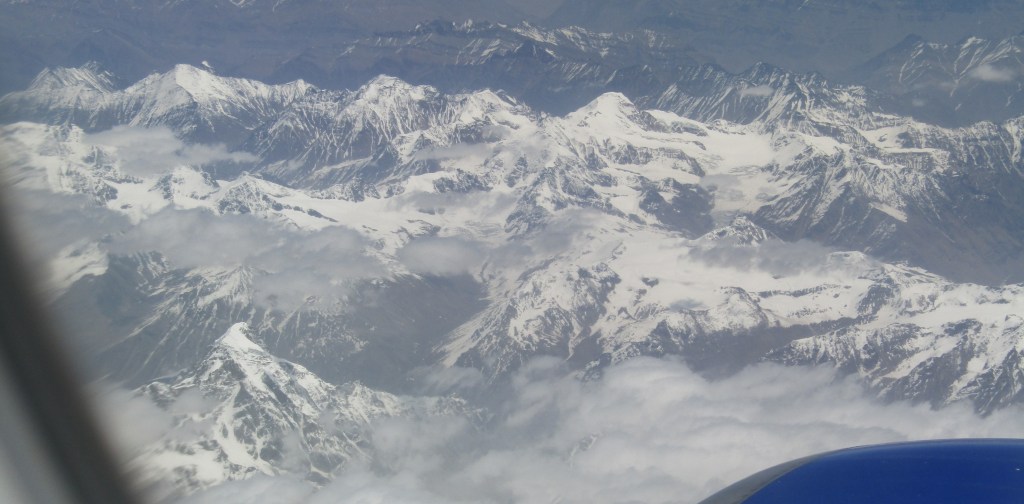
Day 1 – Four of us catch a flight from Delhi to Leh. We are strategically dressed. Delhi is sweltering at 45 degrees and Leh is 18 degrees. Jackets were zipped up the moment we alight from the plane. It is a clear blue sky at noon, the sun shines bright but the cold wind tells you that this is Ladakh. Our cab from the hotel is here and on our way we collect a couple of thick jackets from a friend. We cross the city which is bustling with people from all over the country. The road winds up and zigzags to our destination – Shakspo House. Vicky, the manager of the hotel (which also has a homestay facility), welcomes us with coffee and biscuits. We have two rooms to ourselves and we settle down comfortably, taking in our scenic surroundings.
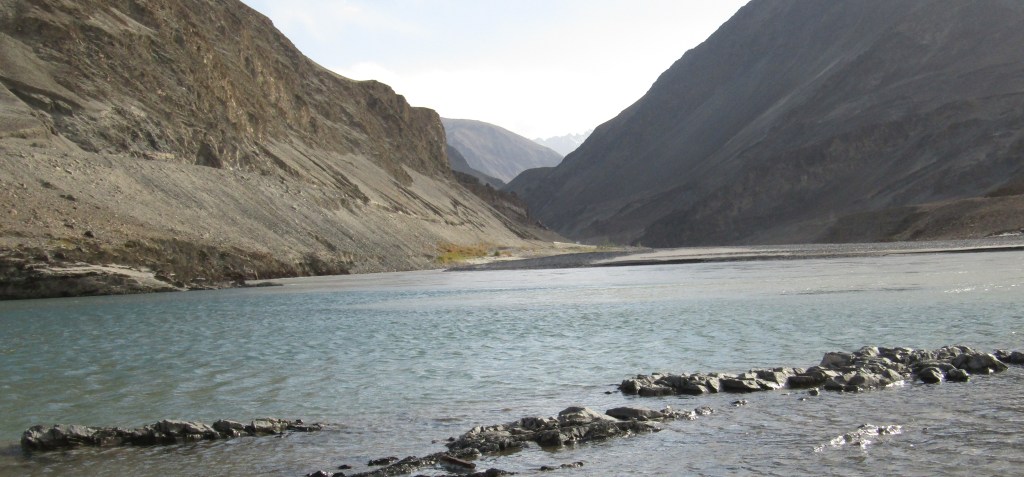
The cab we have with us for the tour is a Xylo and is driven expertly by Liaquat. We venture out in the evening to see the confluence of the rivers Indus and Zanskar, an hour’s drive from our hotel. The smooth drive in the afternoon sun takes us through mountains to the confluence. Here, the blue green Indus and the darker Zanskar merge together.
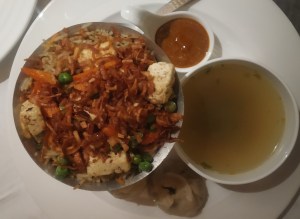
As tourists we are not supposed to do much moving around on the first day of our arrival as it taxes us physically and we could find ourselves breathless. So we have dinner, (I have Thukpa) and we retire for the night early. We are headed to Nubra the next day.
(The four of us includes my daughters and my husband. We are on vacation, just the four of us, after a long, long time. We were in Ladakh from June 2 till June 10, 2022.)
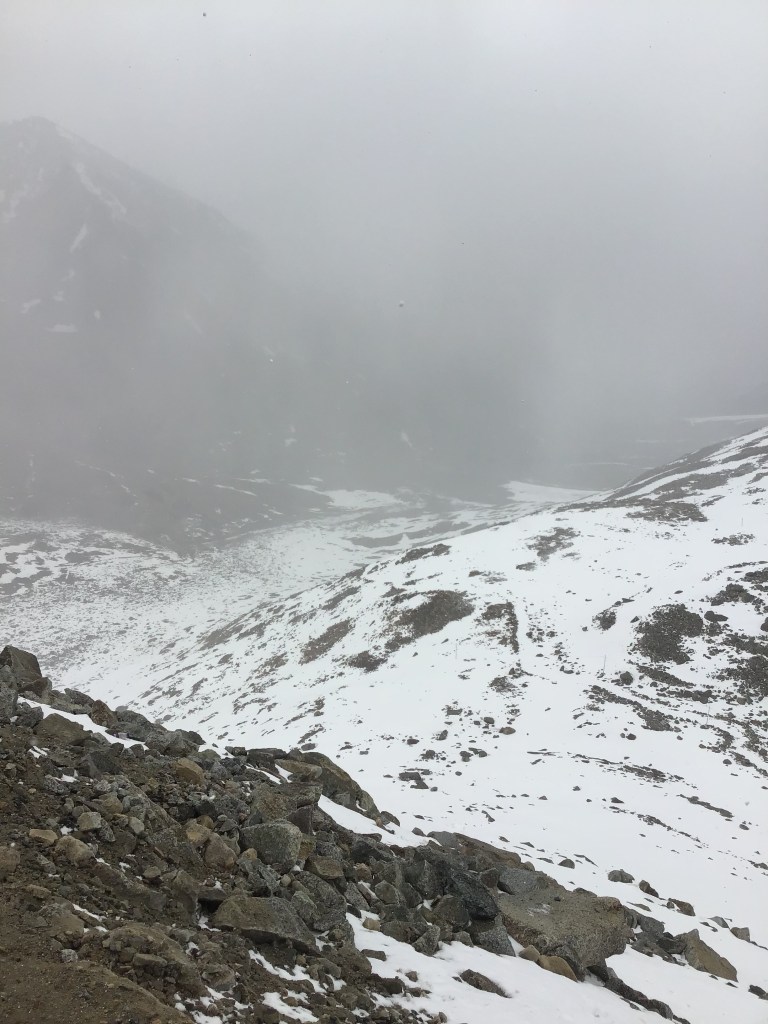
Day 2 – We leave for Nubra around 10 am. The road goes right behind Shakspo House and keeps climbing higher. The scenic beauty is breath-taking and pictures are not enough to feel that magic. Being there is something else. As we climb, we begin to detect the lack of oxygen in the air. We cross recently fallen snow. At more than 18,000 feet we reach Khardung la, the highest motorable pass in the world. It begins snowing lightly but the crowd there is very enthusiastic!
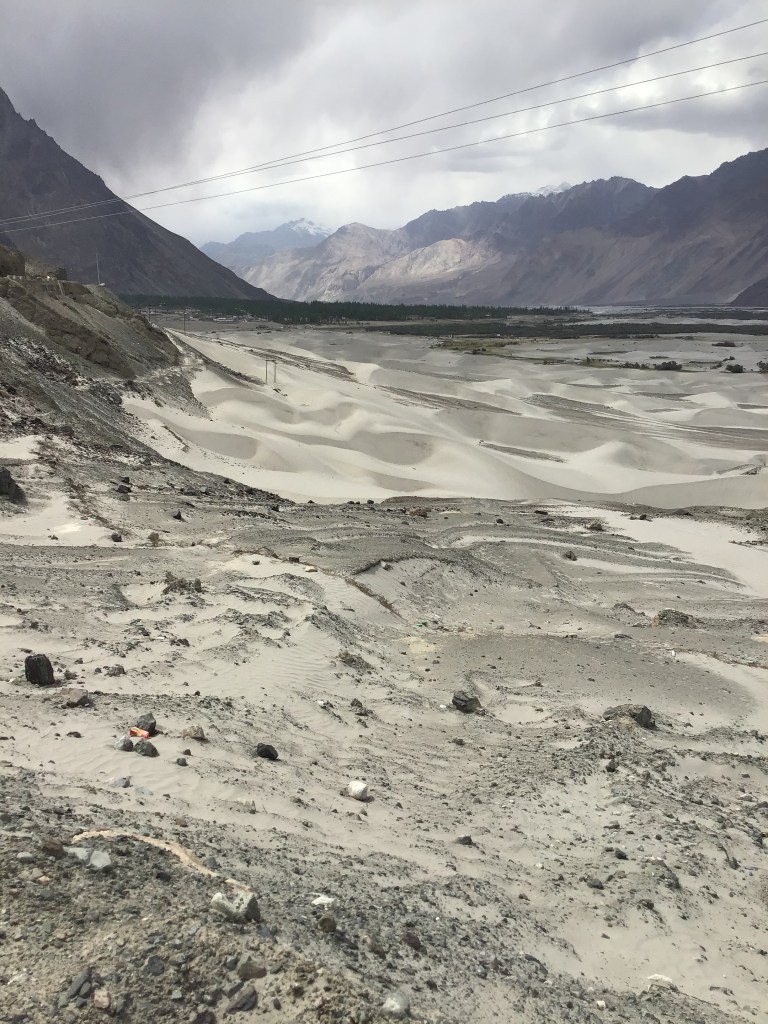
After several twists and turns through snow covered mountains, we stop for a light meal (thukpa again) and coffee. We enter the Nubra valley at around 3 pm. We are headed towards Hunder and on the way we cross sand dunes and the Diskit monastery.
We are to stay at L Changra in Hunder. The funny part is that there are perhaps 50 names of hotels, big and small, showing up on signages at every corner! I am told that the hospitality business has looked up from this year. The last two years were a wash out due to Covid 19.
L Changra is run by Binod Goswami and has opened just a month before. Electricity is available from 7 pm to 10 pm. He is making sure that solar panels are installed soon. It is like a home stay where food is freshly cooked, hot water to bathe is carried to the rooms and the staff is very helpful.
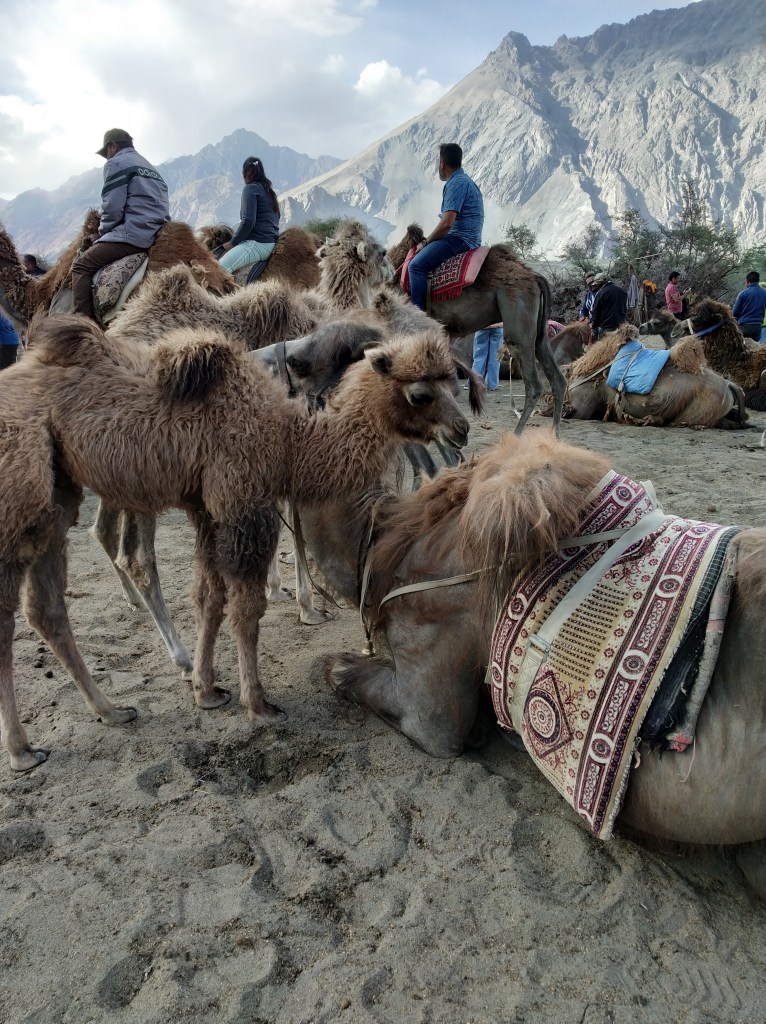
At 4.30 pm we leave for the sand dunes which we have seen on our way here. The Bactrian camels (the camels with two humps) take tourists for rides across the sands. When we reach we find the area teeming with people. We purchase tickets for the ride but the number on it says it is going to take a long time. I am happy staring at the camels and the calves. As the camels take off for rides, the young ones would keep crying out for them or run across and join their parents. There is a certain way to climb on to the back of the camels. As the camel rises, the rider needs to balance so as not to topple over. It is the same when you climb down.
In a herd of six camels, one does not have a rider and I am lucky enough to be the one to get the seat before my ticket number is called. Having observed the riders around me for some time, I am able to make myself quite comfortable and I hope my camel is happy with me too. He does not show any signs of disapproval. We take a 20-minute ride and I am content. This is how humans crossed this desert, hundreds of years ago. Tonight we dine at the restaurant next door called Bonfire. Really good food. I begin with ginger honey lemon tea and end with a vegetable sizzler platter. We sleep well with all the excitement and travel, looking forward to visiting Turtuk the next day.
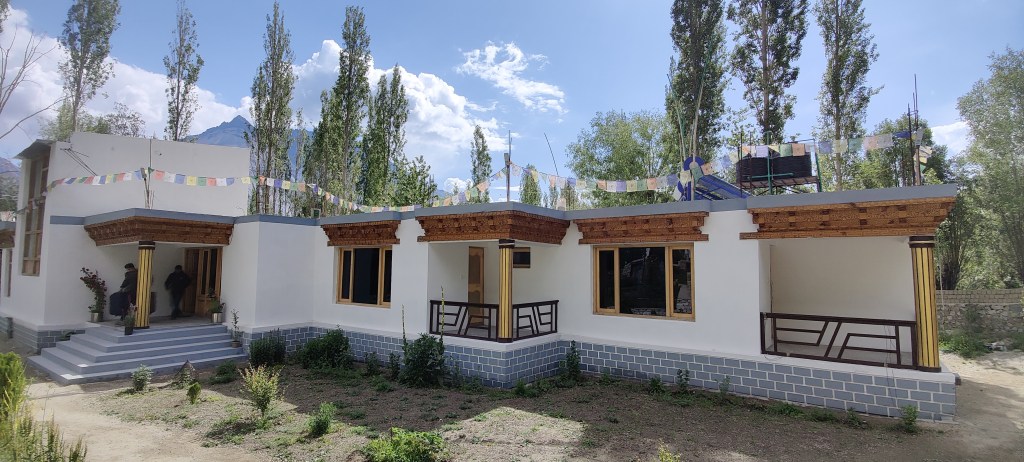
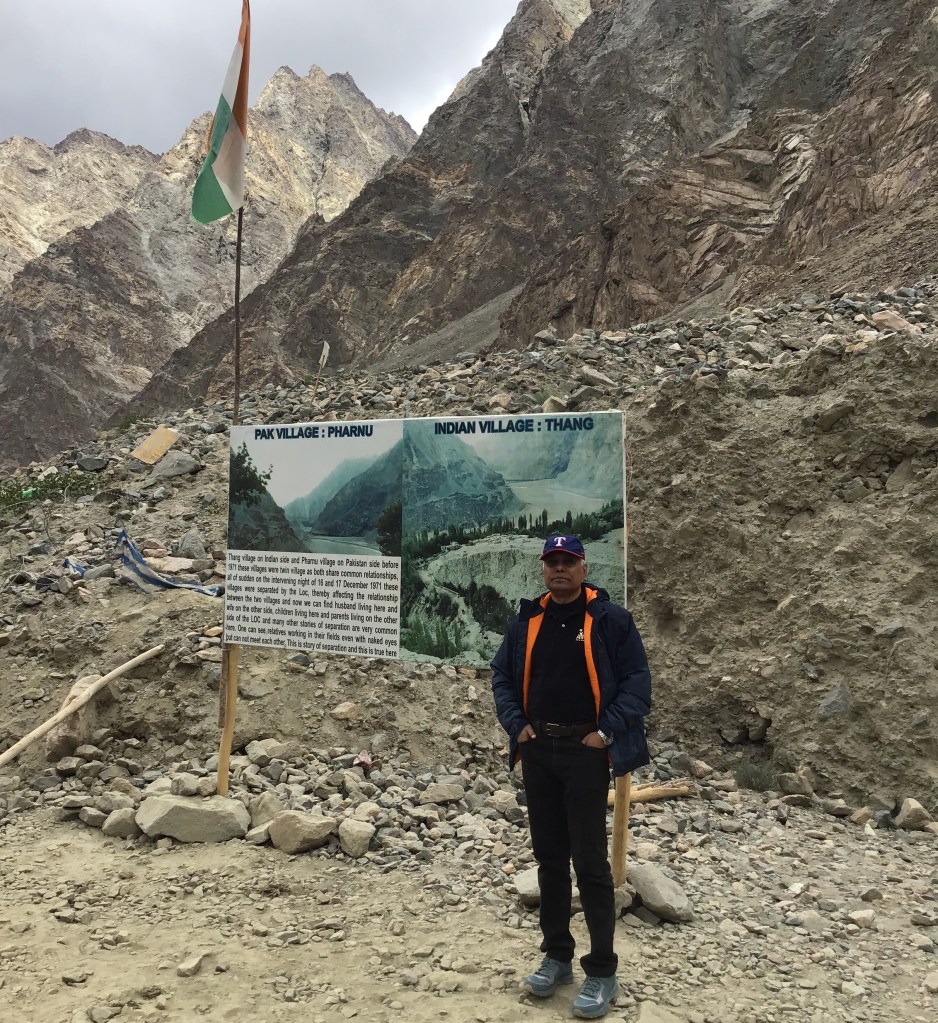
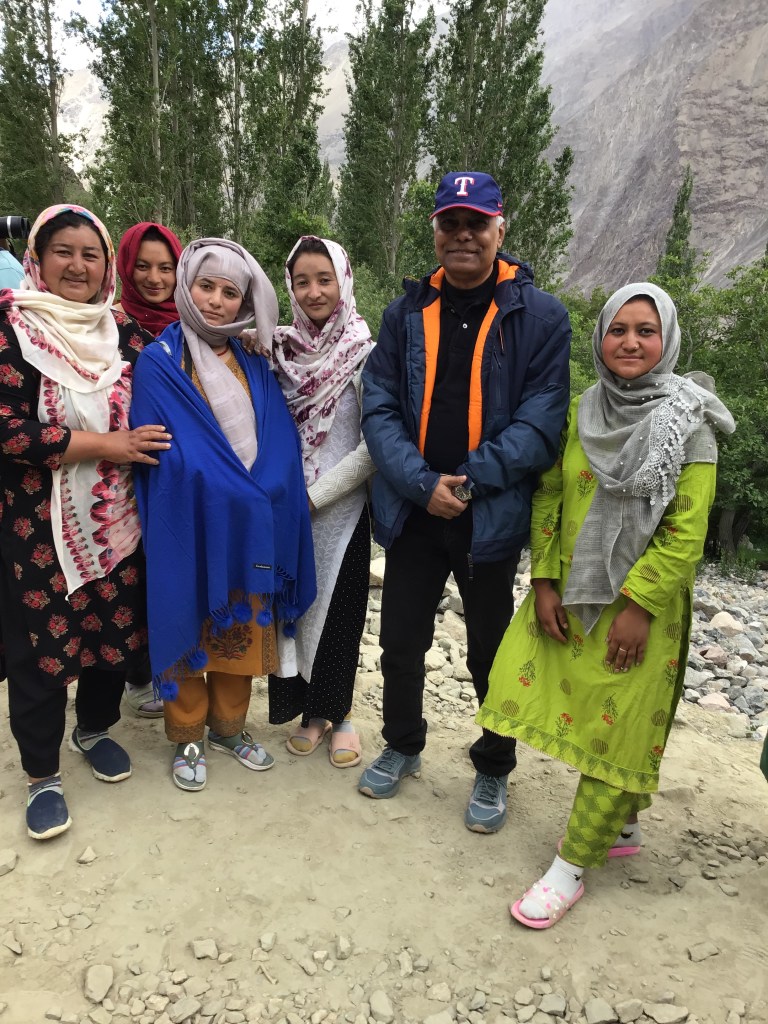
Day 3 – We leave for Turtuk at 10 am the next day. The road is quite good and of course it is scenic. We cross Turtuk and drive ahead to a village called Thang. Standing at a hilltop here, we see the Pakistani village of Pharnu just a few kilometres away. This hilltop is teeming with tourists as well as locals. Sakina, one of the locals, offers binoculars to tourists to enable them to see the village across the border clearly. I meet Ghulam Hassan here who recounts his tale of separation. He was 18 years old and recently married when he came to Thang for some errands. He could never return to his village Pharnu because overnight the two villages were in two different countries. He had to divorce his wife on the other side of the border through letters and then set up his home here. There are so many such stories of families simply ripped apart. Most of the villagers here speak Balti.
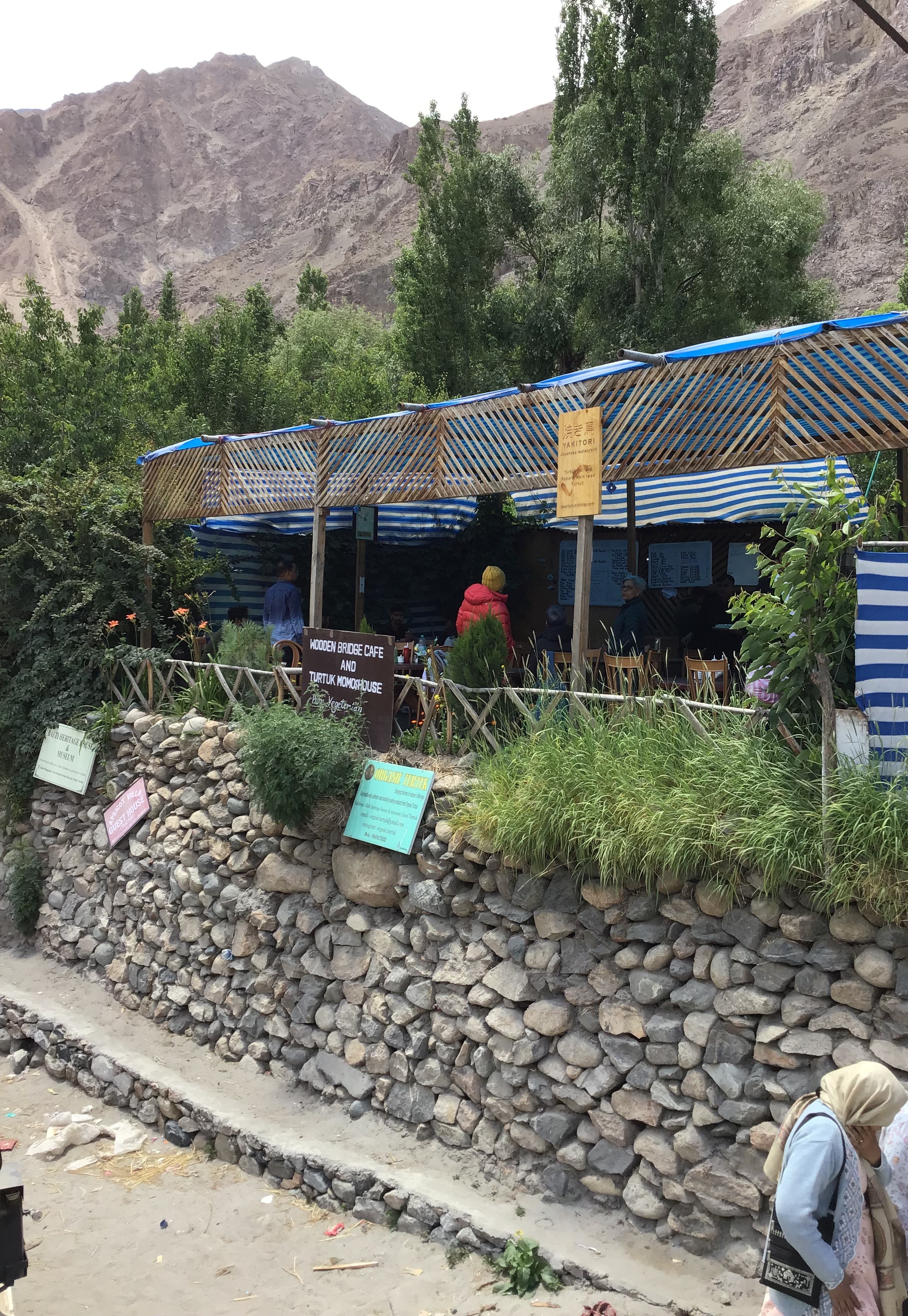
We drive back to Turtuk and have lunch here. I taste a delicious sweet dish which is made out of boiled apricots, condensed milk and honey. The river Shyok takes the form of a gushing stream as it flows along the village. Sadly, we see plastic strewn on the river bed, and some bottles caught between rocks in the river. As we drive back, we find an area where the river widens and is easily approachable. We spend 20 minutes just enjoying this serene beauty with no extraneous sound other than the wind on the water. We throw stones on the water strategically to see them skip over the waves several times. This is something I did as a kid many years ago. Love revisiting that age. We reach Hunder around 4.30 pm and head for the sand dunes once again. I guess we haven’t had our fill of the camels yet. Right next to the camels is an area reserved for the ATV (All Terrain Vehicle). Here too there is a huge waiting list of people wanting to drive the ATV over the dunes. On our return we decide to stop at a small restaurant called Big Chill and have coffee and snacks. We retire early for the night after a simple yet tasty meal at the hotel.


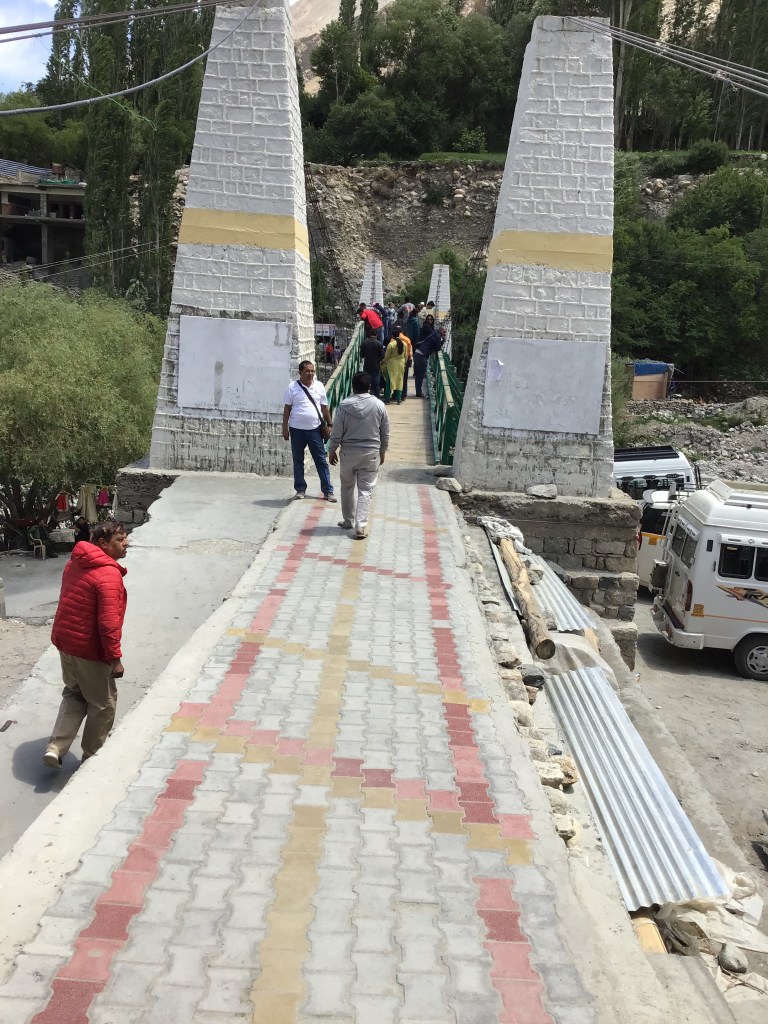
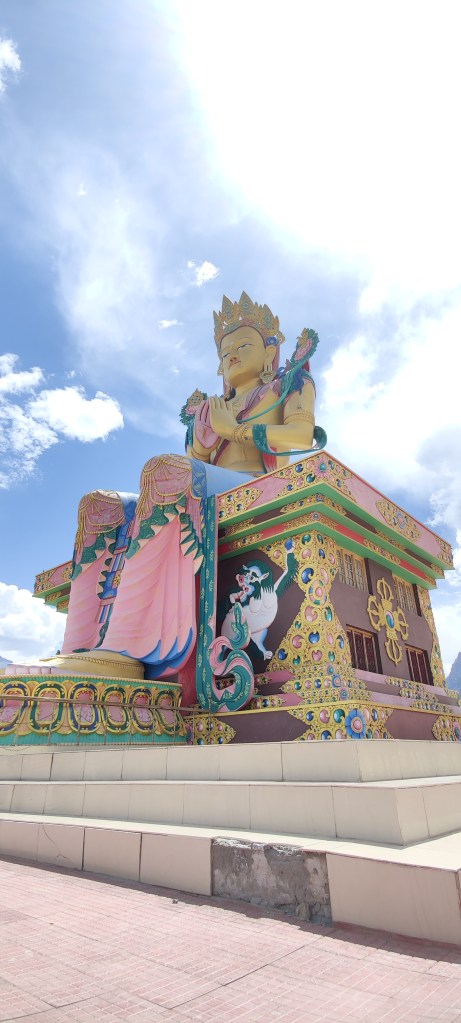
Day 4 – We leave L Changra by 9 am. Today we have several halts and have to reach Durbuk on our way to the famous Pangong tso. We reach the Diskit Gompa in 30 minutes and our destination is visible from afar as we can see the gigantic statue of Maitreya. Next to this statue is the Diskit monastery located on the mountain side, looks precariously perched but is one with the environment. I do a perambulation around the statue while rotating the prayer wheels. I am not religious, but my spiritual self seems to have been nudged in Ladakh.
From Diskit we set off for the Panamik hotsprings which is about 50 kms away. We cross the Himalayan Adventure sports area where we catch people zipping across a line from a mountain side and crossing a vast flat sandy area. The place was quite crowded with adventurers. Seeing the number of bikers and cars loaded with rafts on the roads of Ladakh gives an idea about the large number of adventure seeking population who can indulge in their passion once again after two years.
As we turn left towards Panamik, the Shyok gives way to the Nubra. We cross several villages but do not stop. Before entering Panamik, we encounter roads under construction and take short detours where necessary. In fact, we do this at various other places as well. A lot of road construction is happening all over Ladakh.
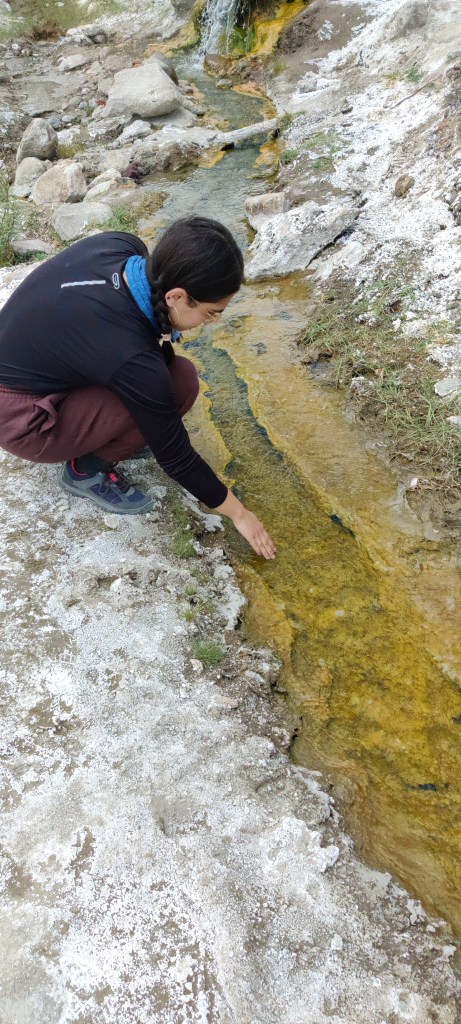
At the hot springs area, we purchase entry tickets and now we can head towards the baths or towards the mountains and witness the flow of the spring. There is an area where one can drink the water as well. We decide to climb up. The sulphur in the hot water has turned the rocks a bright yellow. There is a cemented area into which the water flows. We get rid of our shoes, pull up our trousers and dangle our feet into the very hot water carefully. I also drink some of the water from the specified area. I feel fine after. So it’s safe.
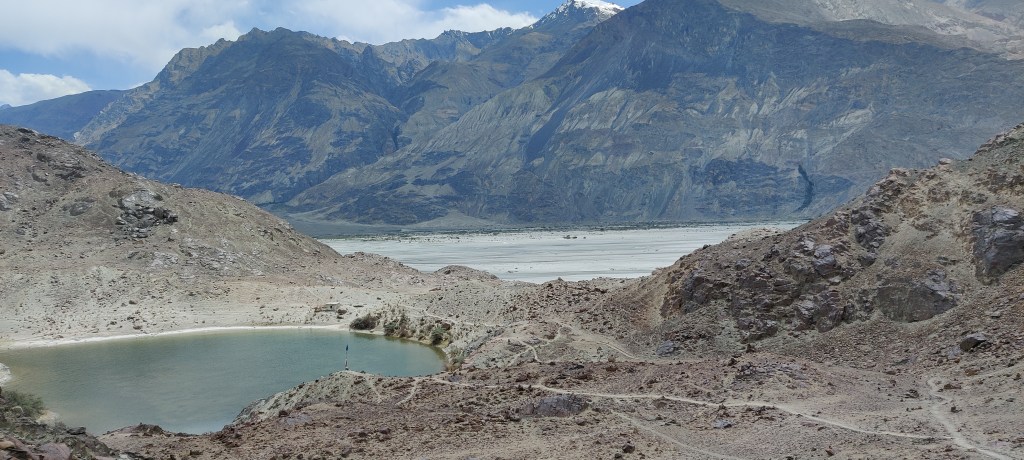
From the hot springs we decide to trek up a hill to take a closer look at the Yarab tso. This beautiful lake is surrounded by hills and is hidden from plain view. Reaching down to the lake would take a couple of hours so we have to be satisfied with taking in its beauty from high above. It is after 2 pm now and we can feel hunger pangs. So we head back towards Summur which is 30 minutes away. We have hot veg chowmein. I love the fact that every eatery makes fresh food and it is generally vegetarian.
As we prepare to leave, we spot a bakery. The door is open but the owner is missing. We ask around and someone goes behind the shop to get the owner. A sleepy young lad comes out but is unable to recall the prices of the items. He says he will get the owner and goes out. A little later a man comes into the shop, sleepy again but not annoyed. We purchase a cake and some cookies. I wish we had bought some more. Both the items were delicious! We drive away enjoying the mountains and the river. On the way we see yaks grazing. I am trying to take it all in and stamp it in my brain for later.
The Shyok is our constant companion now all the way to Durbuk. We reach this tiny village by 7 pm. The place is called Spring and Rock hotel though there are no boards saying this. As our vehicles comes to a stop, we are greeted at the gate by the owner Tashi Pelden with traditional white scarves. This place is also like a home stay, which opened a couple of weeks before and we are among the first guests. It is a small place with four bed rooms, a living room and a kitchen and is clean and homely. The bathrooms are very well done and I could smell the fresh paint. We retire after an early dinner. Lights are out at 11 pm.
Day 5 – We leave at 9 am for Pangong tso and we are there in two hours.
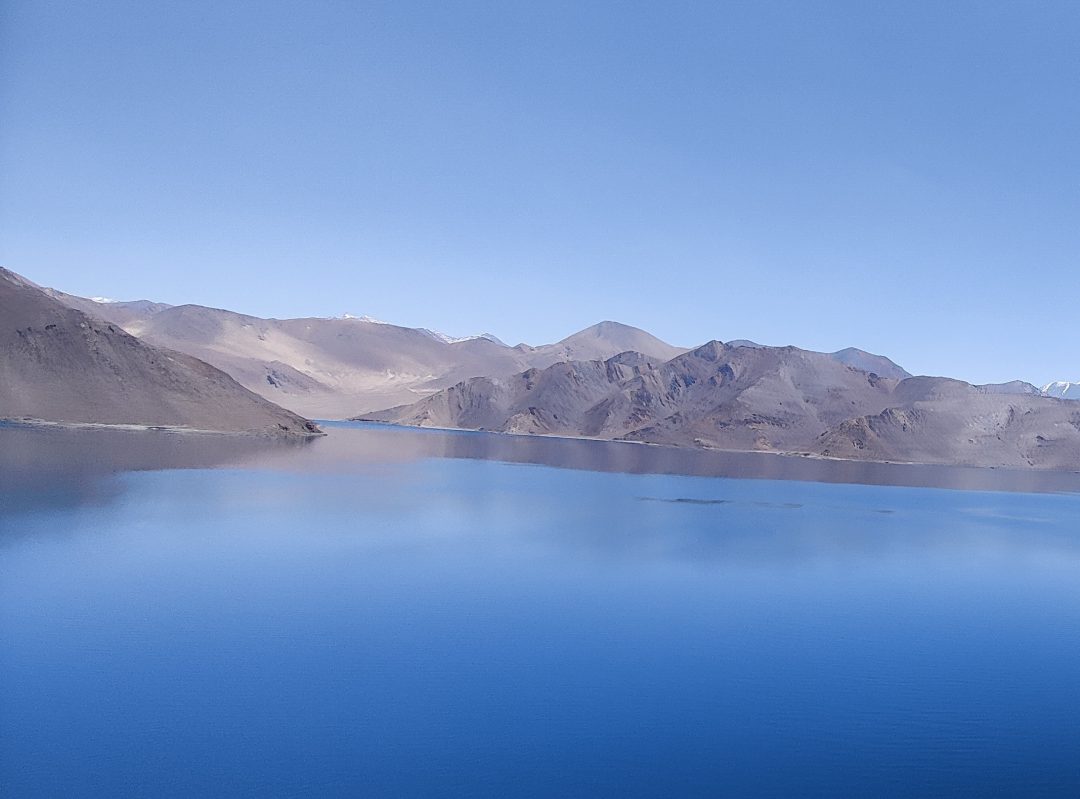
What a sight! The striking blue of the lake strikes you deep in the heart. The gigantic mountains surrounding this divine creation is simply too much to take in! I have written about my spiritual awakening and now that has simply moved up several notches. We rush to the shore and I simply have to feel the water. The water is quite salty. Innumerable pictures of the lake are clicked. Just do not seem to get enough.
There was a problem that we now have to face. We have no booking for the night and have no intention of going back to Durbuk. So we begin looking for a place. Every place is booked. We decide to look at villages near the lake. The village right next to the lake is Spangmik. Liaquat helps us connect with the locals and we get to meet Danny, the manager of the Diskit guest house, who gives us two rooms! My room now overlooks the Pangong tso! With that settled we go to have lunch at the Pangong Pot restaurant. Serving tasty and fresh food, the place is always buzzing. We return to our rooms satiated and rest for a couple of hours before we take off again for the lake. We stay at the lake till 7pm and return to our rooms. We have tea, play cards, have a buffet dinner. Lights are out at 10.30 pm. There is also no internet connectivity. But all this is more than made up by the brilliant night sky. This is heaven for stargazers!

Day 6 – We leave Spangmik at 6.30 am because we have a long way to cover. We are now headed for another divine lake, Tso Moriri. We cross the villages Man and Merak and then Liaquat points out the area where the lake turns into China. We are very close to the international border with China. We drive up to Chushul and then take a shorter route to our destination and this is where our adventure begins. A short drive later we take a sharp right. We cross the Chushul War Memorial commemorating the sacrifice of our soldiers in the Indo-China war in 1962.
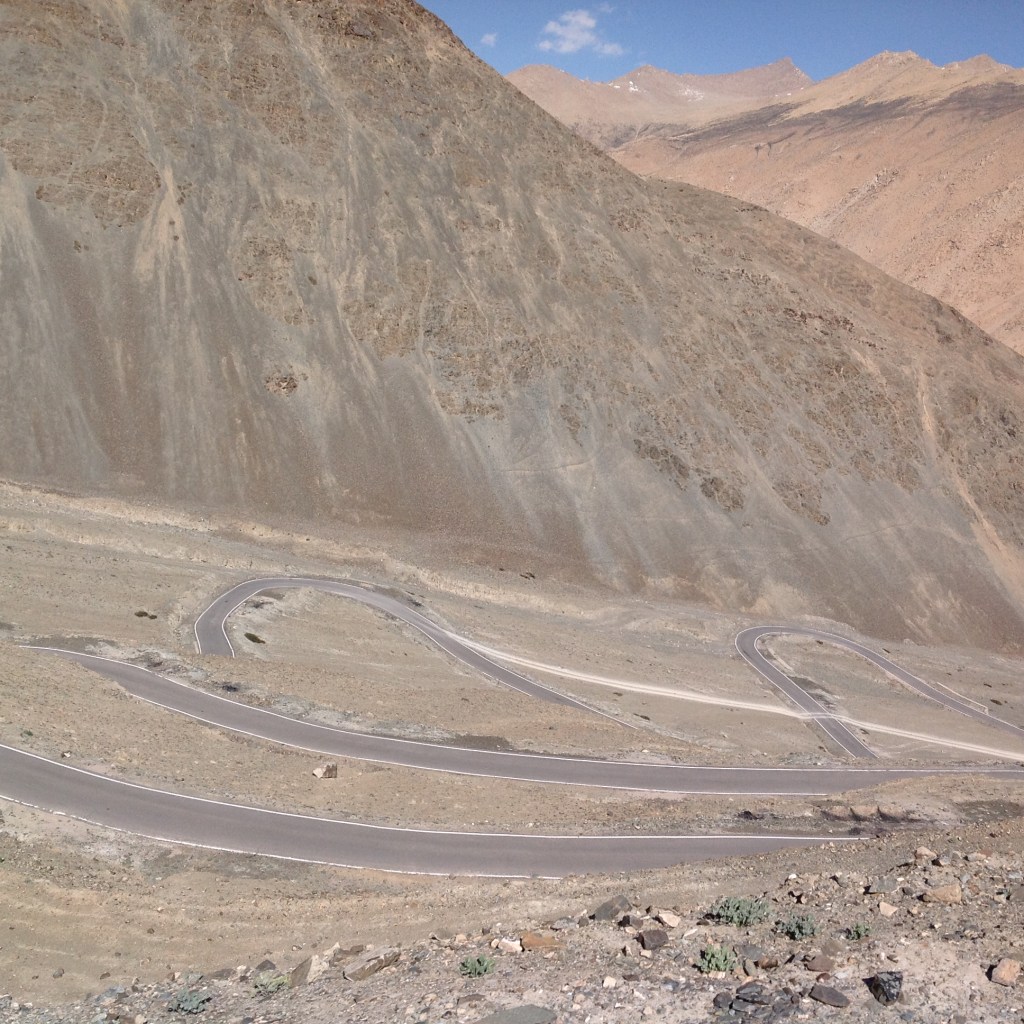
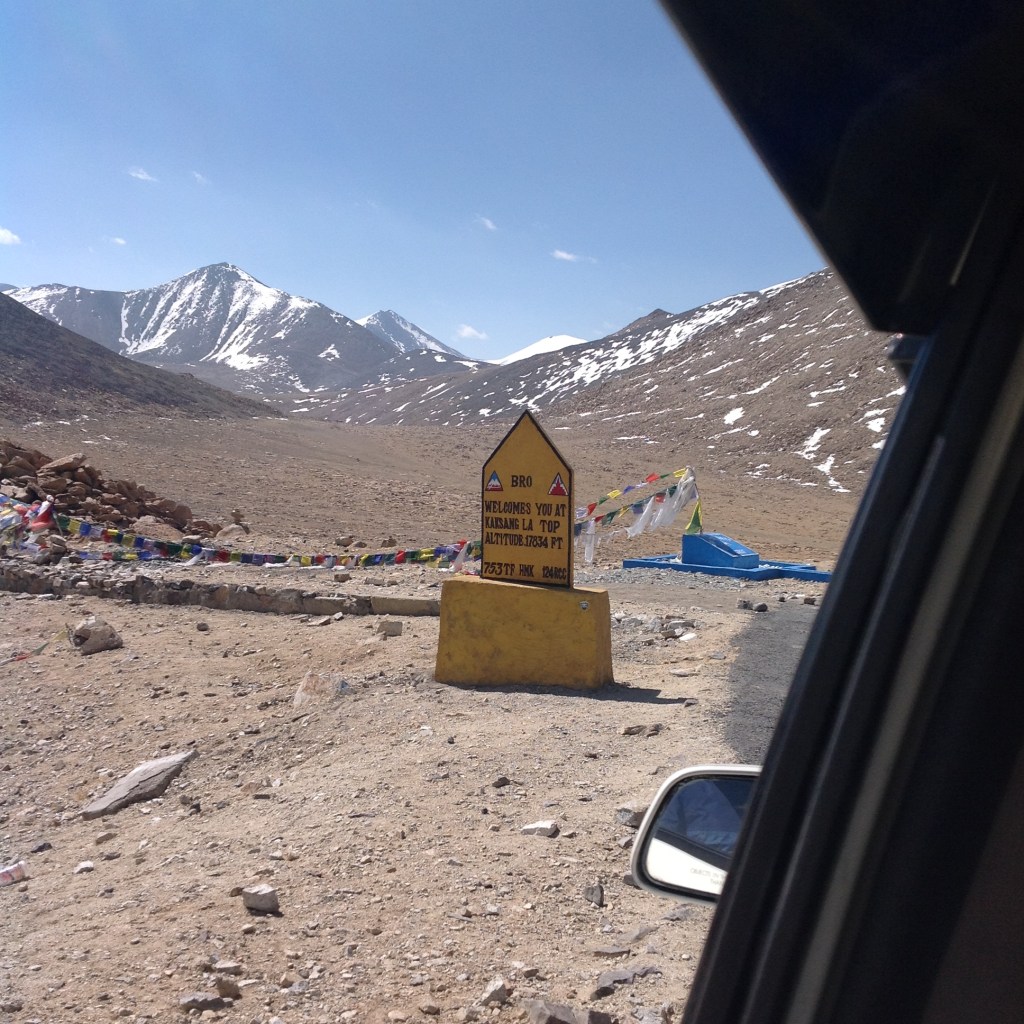
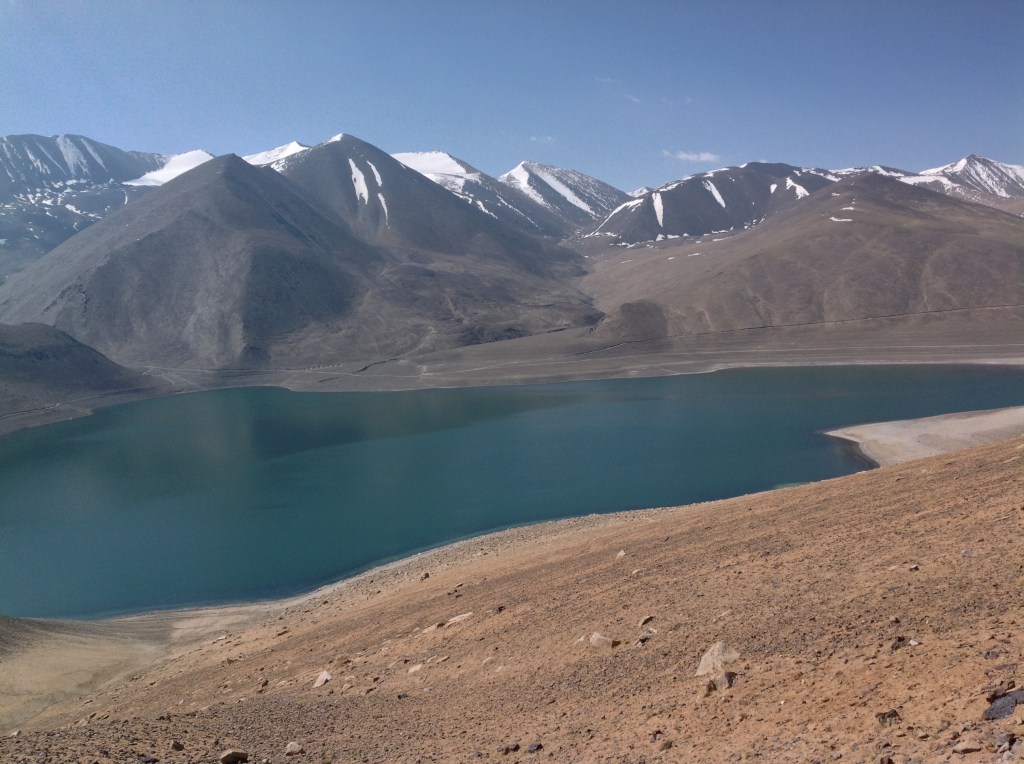
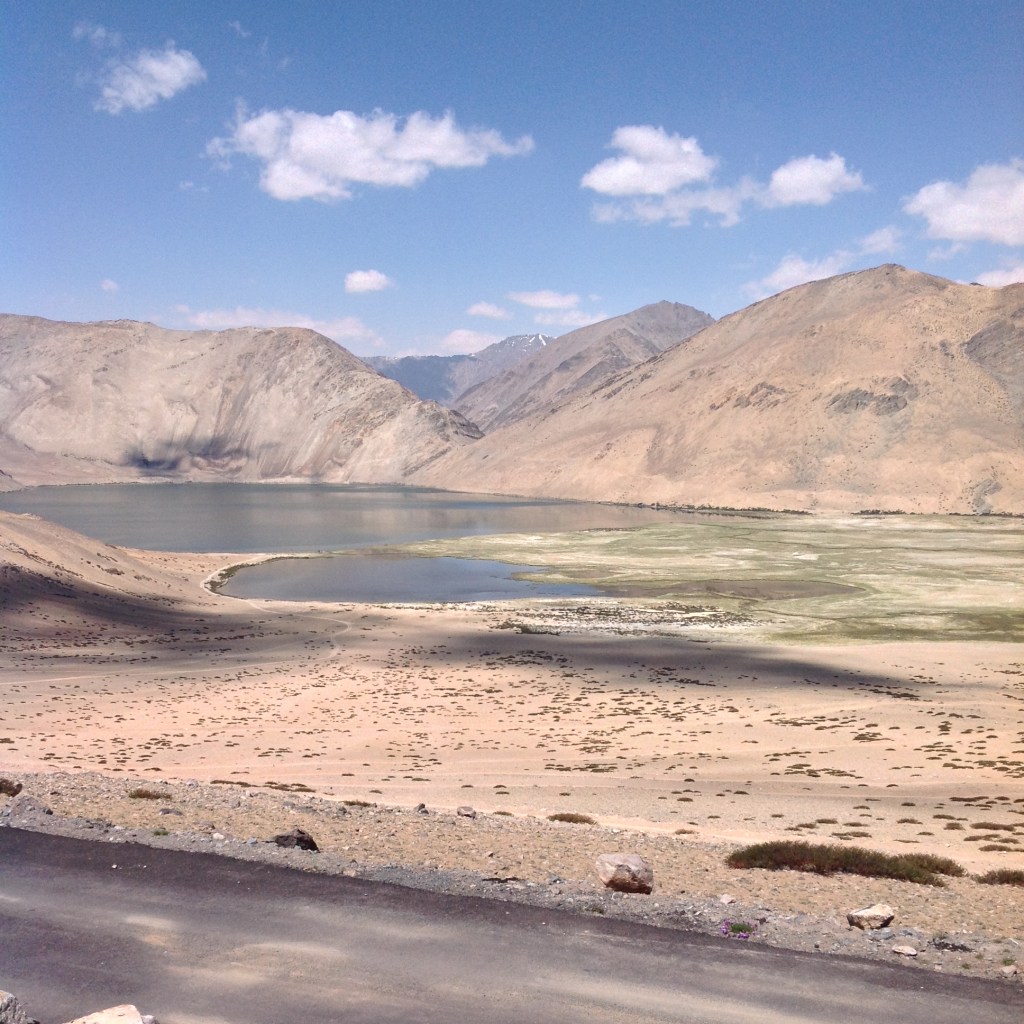
Our road takes us through many hairpin bends and we are constantly climbing upwards. In places, the road side is covered with snow. I slide a window to click a photo and I feel the cold air hit my face. Amazingly, the road is excellent. The drive is a smooth one. The road seems to have been built recently. Not a single crater hits our tyres. The other thing that stares at us is the total absence of human population anywhere around. It is just the mountains, us and the Himalayan Vultures. We reach the highest point of the mountain called Kaksang la top which is at 17,834 ft. Oxygen is definitely scarce here and we can feel that. However, the descent helps us recover and we see two beautiful lakes on our route, Mirpal tso and Yaye tso. We climb up again but not as high as before and reach Mahe where we stop for some tea. The Mahe bridge is a landmark here and here the road bifurcates towards Leh and Tso Moriri. This road presents challenges as it is made of loose stones and we feel every joint in our body shaken well. We are delighted to see another beautiful lake called Kyagartso. A little further we are able to spot a splash of deep blue and identify it as Tso Moriri. But our excitement dies down when it takes another hour to reach close to that blue splash. But finally after a 6 hour drive we reach this wondrous creation in blue surrounded by gigantic mountains and drive another five kilometres along it to reach the camp site.
We now face the challenge. We have no room reservations here either and we cannot afford to return to Leh today after the exhausting drive. We look for rooms. The Royal Dolphin, a prominent hotel, has two rooms, vacated a little while ago! We are requested to wait for a few minutes while the rooms are made ready for us. Someone is surely looking out for us!
We are now comfortable in our rooms and through the window I see green fields, kiangs, cattle and a lot of birds and dogs. The stomach is now clamouring for lunch. The hotel does not serve lunch. We get to know that there is a restaurant called the Happiness restaurant, just 200m away. We make sure to walk slowly as our breathing is laboured which is normal at 14,000 feet. The ever smiling hostess welcomes us to the tiny comfortable place and we ask for rice and egg curry which she proceeds to cook right in front of us in the open corner kitchen. After the sumptuous meal we decide to nap for an hour. At 4.30 pm we drive to a hill and from that height we take in the beauty of the Mountain Lake which is Tso Moriri. As the sun sets we see the colour of the water change and it is magical. In a lot of places in Ladakh, I find stones stacked on top of one another. I understand these are called Cairns, a marker for prayers. Here too, next to this lake I find many such markers. We return to our hotel and after a simple delicious dinner (buffet) we retire for the night before lights are out.
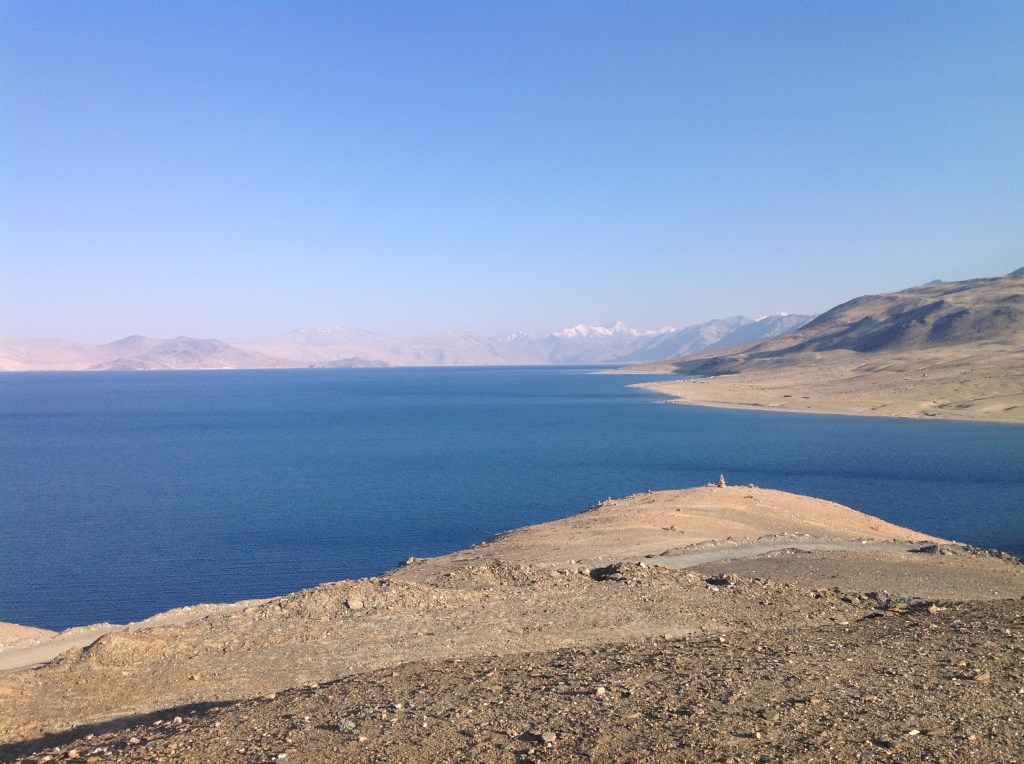
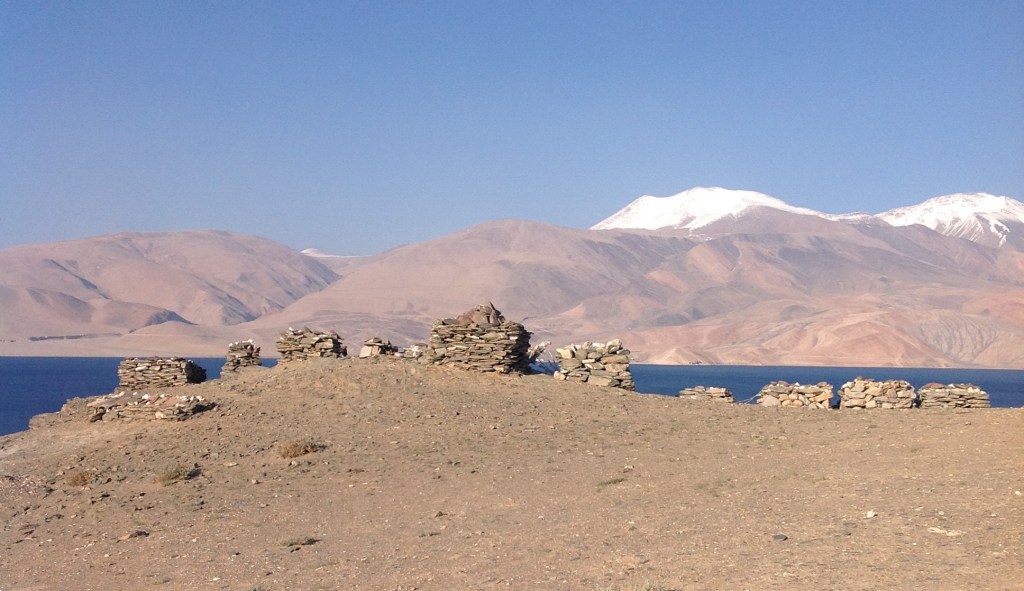
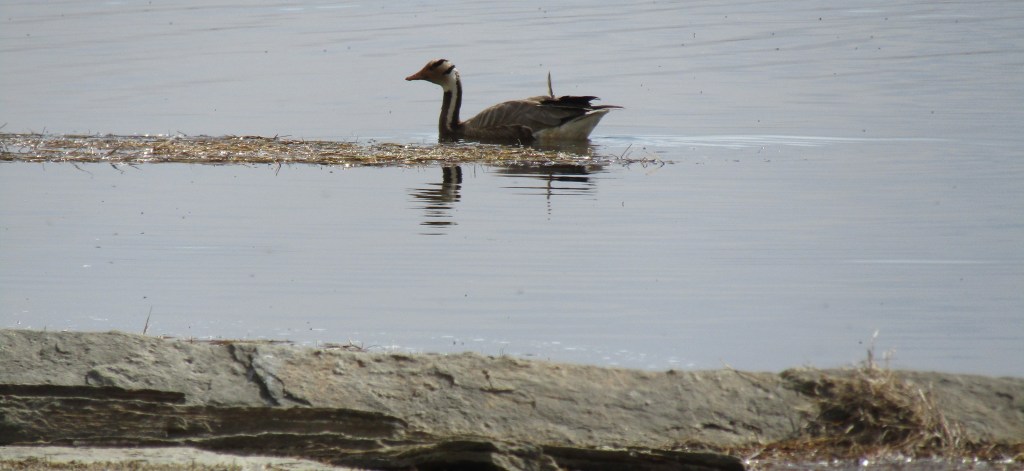
Day 7 – We leave the hotel at 8 am but we stop at the other end of Tso Moriri. Here the water is relatively less brackish and water birds swim around. We stop and go down towards the shore. A bar-headed goose swims towards us and we are ready with our cameras. The water in all these lakes is so clear and we are able to see the stones underwater clearly for quite some distance.
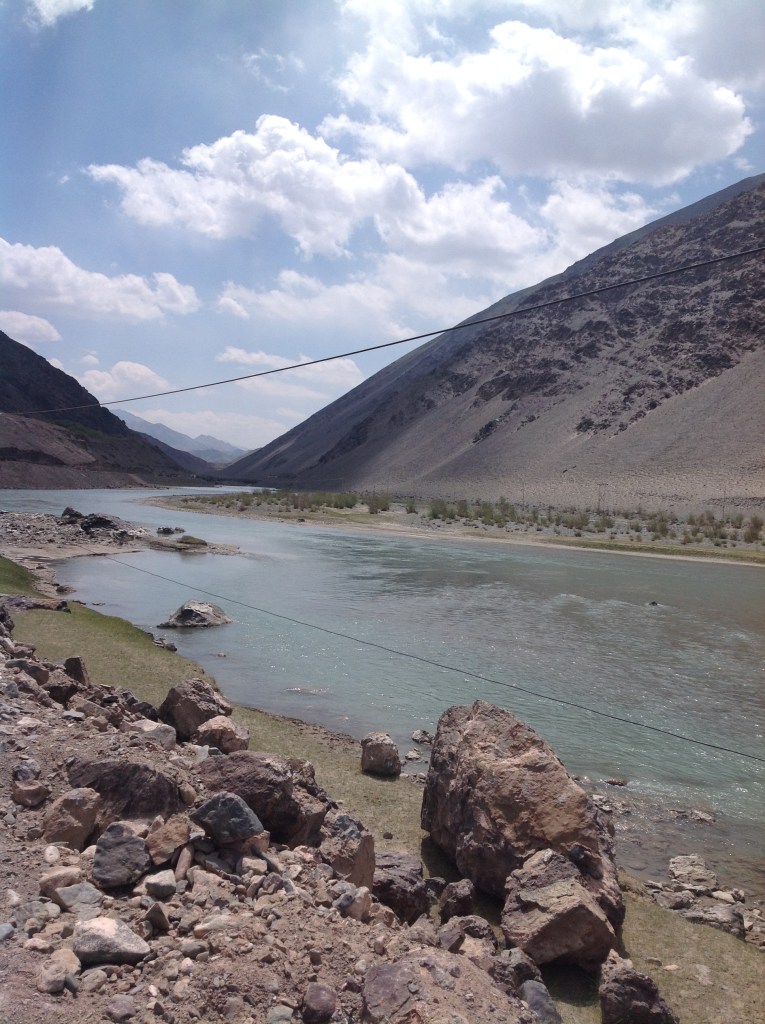
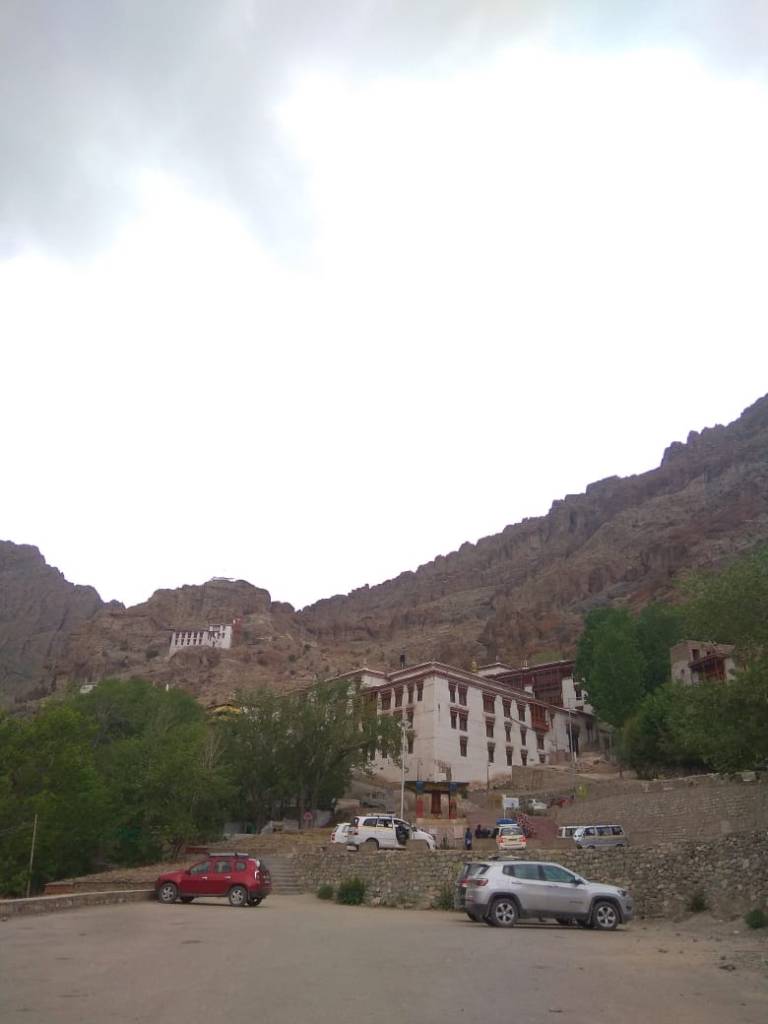
Our journey back to the Mahe bridge seems to be quicker. Throughout the journey, the Indus accompanies us, its beautiful blue-green colour widening and narrowing along the way. We are in the Chumathang valley and the scenic beauty is unparalleled. The valleys all over Nubra and Chumathang are dotted with green cover with huge 40-million-year-old mountains in the background. We cross the Mahe bridge and then drive up to the Hemis monastery which we reach by 1.30 pm. The monastery is located at a height and we move away from the main road. As we enter the compound, we are served tea, biscuits and cake. The interiors smell of incense and monks read from their religious scripts in unison. This atmosphere has a calming effect on me. The Hemis monastery is known for the Dance festival held here annually in memory of Guru Padmasambhava.
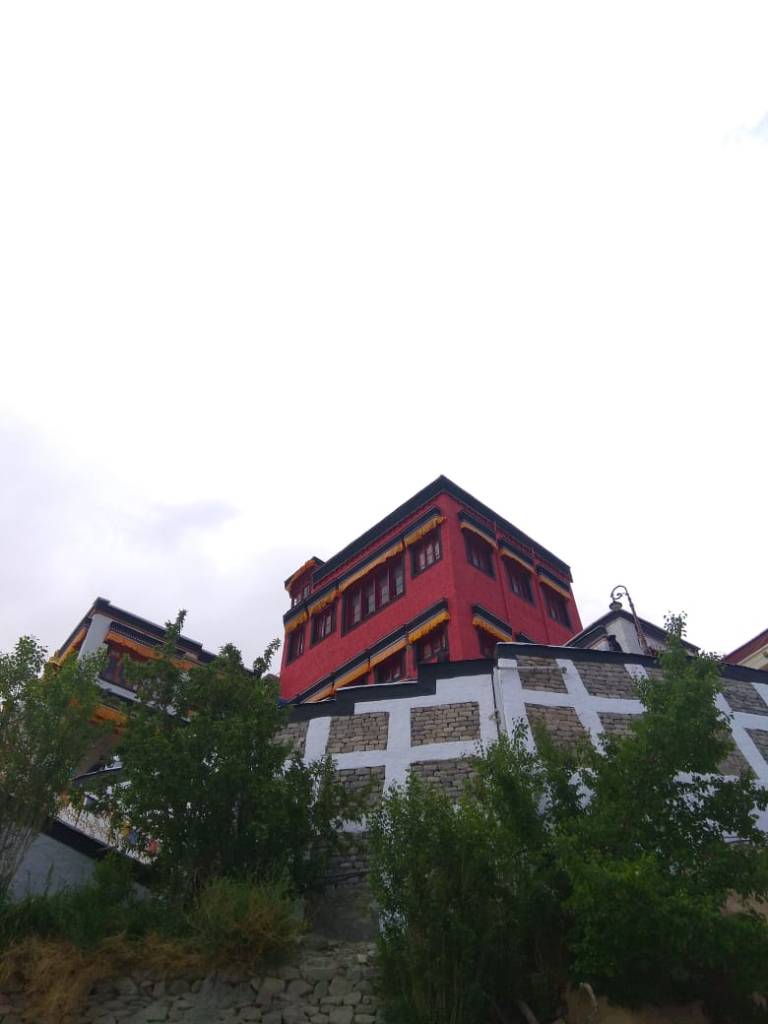
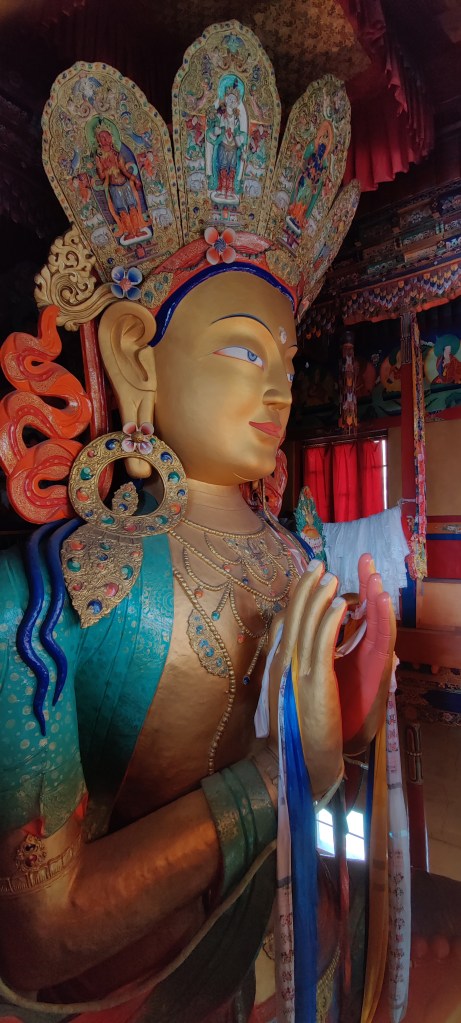
From Hemis we drive to Karu, a town on the main road where we stop for lunch. Our next stop is the Thiksay monastery, another beautiful gompa painted in red, yellow and white which stands out vibrantly next to the mountains. Here we see the two-storey tall statue of Maitreya Buddha. There are various other shrines including those of Gautam Buddha, Avalokiteswara and Padmasambhava. From the monastery we are able to see the city of Leh spread out for miles.
We reach Shakspo House around 6 pm. This evening we have dinner with friends who reside in Leh.
Day 8 – Today we are spending time in Leh. The weather has packed up. We see black clouds for the first time since we arrived here. Our first stop is the Shanti Stupa, located atop a hill. The white dome of the chorten is a landmark in Leh and can be seen from afar. As we go around the dome we see the beautiful landscape surrounding us, as far as eye can see.
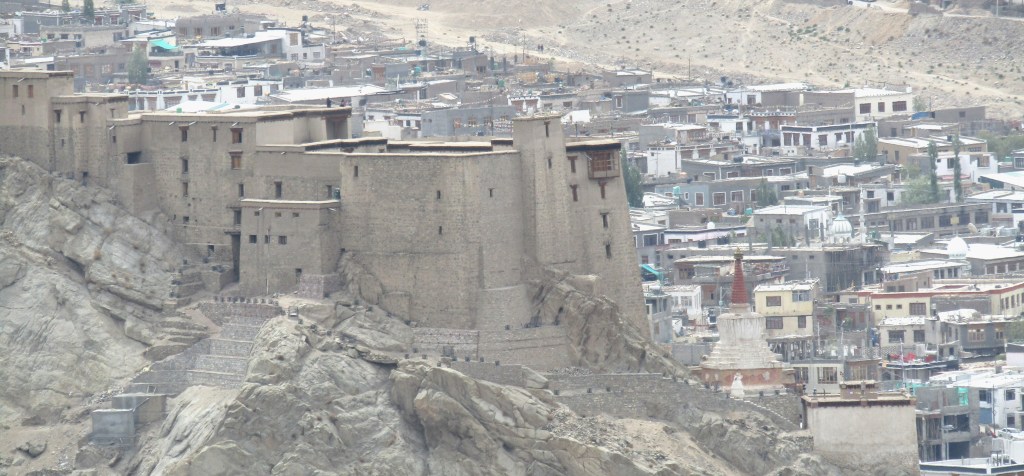
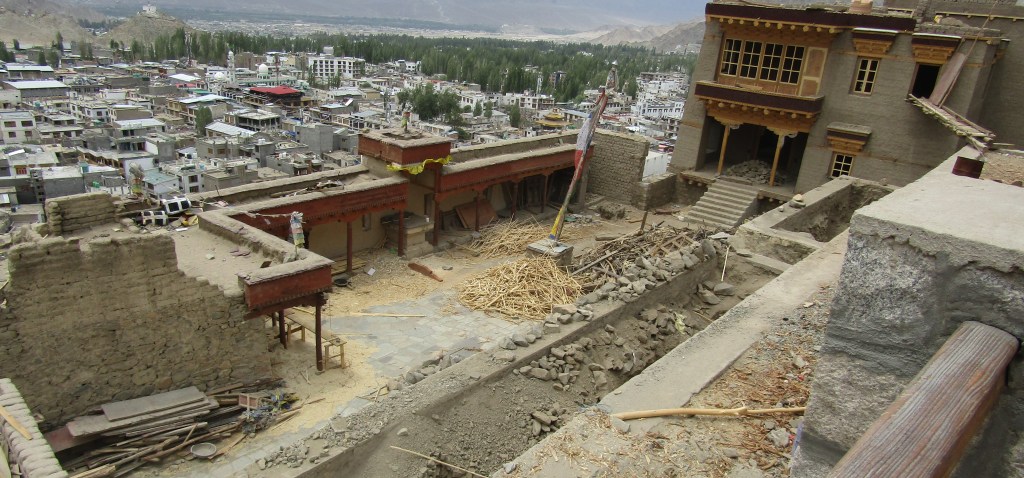
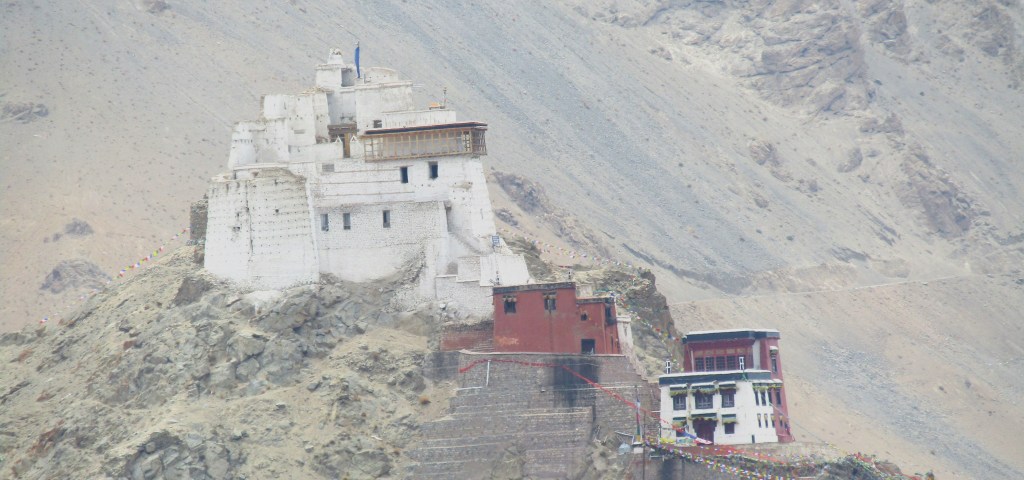
Out next stop is the Leh Palace which looks as good as new after ASI completed restorations. Work in some areas is still going on. The palace is no longer home to the Royal family. Its prominent location, atop a mountainside, give a wonderful view of the city. Right above the palace, is the Namgyal Tsemo Monastery and Castle.
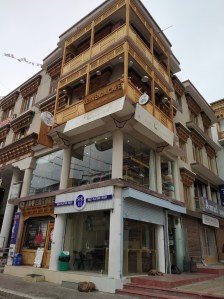
We then decide to explore the Leh market, which is quite crowded with tourists at this of the year and more so with the opening up after COVID 19 hit us. We walk around taking in the market square and the lanes which climb up or down and have sharp bends. We have coffee and sandwiches at a lovely café called Lehvenda which is located in the main market very close to Leh Palace. Its begins to rain and we linger over the food. Later, we walk some distance to the Dragon Departmental store and buy Ladakh’s famous Seabuckthorn soap and Apricot jam. Another long walk and we reach the well-known Namza Cafe and Designer store, famous for its Ladakhi cuisine. We book a table for dinner and are back here in the evening to a sumptuous and delicious meal which begins with the much recommended Ladakhi tea. The ambience is excellent as is the service. This is a wonderful to way to bring our stay in this mountain kingdom to a close.
Early the next day we board a flight back home.


 Thought-process